How I work
Safety on my treks
Most of a safe trek is unglamorous: a slow pace, enough water, the patience to wait a day. This is how I plan for the mountains, what I do when someone feels unwell, and what I ask of you before we start.
- Checked
- Nov 2026
- Written by
- Rujan Neupane, trained guide
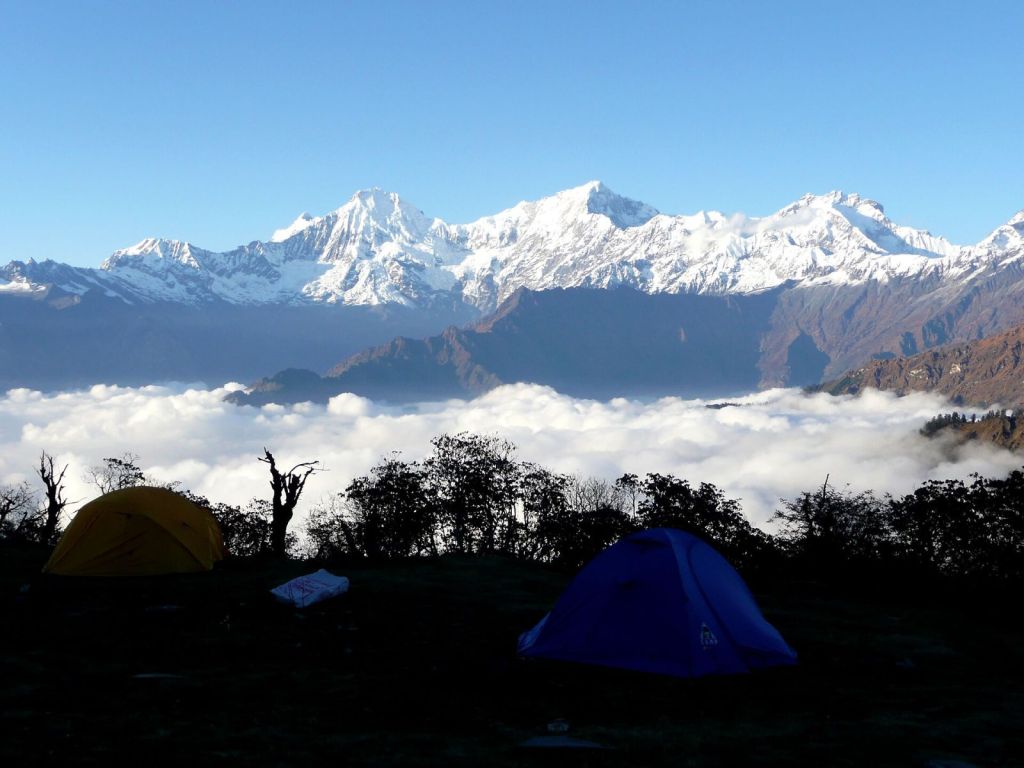 Sherparinji · CC BY-SA 3.0 · Wikimedia Commons
Altitude: the rules I keep
- Above about 3,000 m we sleep no more than 300 to 500 m higher each night, and walk higher in the day than we sleep when we can.
- A rest day for about every 1,000 m we gain, spent walking a little higher and coming back down.
- Slowly, drinking 3 to 4 litres a day, no alcohol up high. I ask every evening how you slept and how your head feels.
- A headache that does not pass, sickness, confusion or breathlessness at rest means we go down, at once, even at night. The summit can wait for another year.
My training
- Basic rescue and safetyTraining
- First aid and safetyTraining
- Search and rescue on trekking routesBasic training
- Leave No TraceTrainee
If someone falls ill or is hurt
- We stop, keep warm, and I look after what can be looked after on the trail.
- For altitude sickness the cure is to go down: on foot, with my help, or on a horse where there is one.
- If it is serious, I call for a helicopter through your insurance and stay with you until you are in a hospital in Kathmandu or Pokhara.
- I carry the numbers of the lodges ahead, the local health posts and the rescue companies on every walk.
What I ask of you
- Travel insurance that covers trekking up to the highest point of our walk and helicopter rescue. Send me the policy number and its emergency phone before we start.
- Tell me about your health, any medicines you take and any allergies, honestly: it stays between us.
- Walk a few times a week before you come, and bring broken-in boots.
Questions people ask me
Is trekking in Nepal safe?
With a slow pace, a guide who knows the trail and good insurance, yes. The real risks are altitude, cold and tired legs on long descents, and they are managed by planning, not by luck.
Is it safe to trek as a woman alone?
Many women trek with me alone. Nepal's trails are friendly; lodges are family homes. Write to me with anything you would like to know.
Not sure which trek suits you? Tell me your dates and what you hope for, and I will say honestly.
My next free weeks from 12 Nov The calendar